There are two types of pollination: self-pollination and cross-pollination.
1. Self-pollination: This occurs when pollen from the anther of a flower is transferred to the stigma of the same flower. Self-pollination is common in plants that have perfect flowers, which contain both male and female reproductive organs.
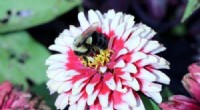
2. Cross-pollination: This occurs when pollen from the anther of one flower is transferred to the stigma of a different flower. Cross-pollination is facilitated by various agents such as wind, insects, birds, and mammals. Cross-pollination increases genetic diversity and results in healthier and more vigorous offspring.
Once the pollen grains are deposited on the stigma, they germinate and produce a pollen tube. The pollen tube grows through the style, delivering the sperm cells to the ovary, where fertilization takes place.