1. Deforestation: Humans clear forests for various purposes, such as agriculture, urbanization, and logging. This leads to deforestation, habitat loss, soil erosion, and a decline in biodiversity.
2. Urbanization: The expansion of cities and towns into natural areas alters biomes by replacing natural habitats with buildings, roads, and other infrastructure. This leads to urban sprawl, habitat fragmentation, and loss of biodiversity.
3. Pollution: Industrial activities, transportation, and other human activities release pollutants into the air, water, and soil. This pollution can alter biomes by acidifying soil, eutrophying water bodies, and damaging vegetation.
4. Climate Change: Greenhouse gas emissions from human activities trap heat in the atmosphere, leading to climate change. This is causing shifts in temperature and precipitation patterns, melting glaciers, rising sea levels, and alterations in vegetation zones.
Why We Do It:
1. Economic Development: Many human activities that alter biomes are driven by economic considerations, such as the need for timber, agricultural land, urban development, and industrialization.
2. Population Growth: The increasing human population puts pressure on natural resources, leading to increased deforestation, urbanization, and other activities that alter biomes.
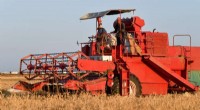
3. Agricultural Expansion: To meet the food demands of the growing population, humans expand agricultural land into natural ecosystems, converting forests, grasslands, and wetlands into cropland and pastures.
4. Energy Production: The extraction and combustion of fossil fuels contribute to climate change and air pollution, both of which can significantly alter biomes.
5. Resource Consumption: Overconsumption of resources, such as wood, water, and minerals, can lead to the depletion of these resources and degradation of the associated biomes.
It's important to find sustainable ways to balance human activities with the conservation of natural biomes to ensure the long-term integrity and resilience of Earth's ecosystems.