1. "Pro": The prefix "pro-" means "before" or "primitive."
2. "Karyo": The word part "karyo-" is derived from the Greek word "karyon," which means "nut" or "kernel." It refers to the nucleus or the central part of a cell.
When we combine these two word parts, we can understand the term "prokaryotic."
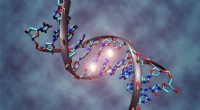
- Prokaryotic: Prokaryotic cells are cells that lack a true nucleus and membrane-bound organelles. They have a simple cellular organization compared to eukaryotic cells. In prokaryotes, the genetic material is concentrated in a single circular DNA molecule located in the cytoplasm rather than being enclosed within a nuclear membrane.
- Prokaryotic cells are the simplest and oldest form of life and include bacteria and archaea. They vary greatly in shape, size, and function but share fundamental structural characteristics that distinguish them from eukaryotic cells.
- Some examples of prokaryotic organisms include:
- Escherichia coli (E. coli): A common bacterium found in the gut of humans and other animals.
- Staphylococcus aureus: A bacterium that can cause various infections, including skin infections, pneumonia, and food poisoning.
- Bacillus subtilis: A soil bacterium that produces antibiotics and is used in industrial processes.
Understanding the word parts "pro" and "karyo" provides insight into the basic architecture of prokaryotic cells and helps us distinguish them from eukaryotic cells, which have a nucleus and other membrane-bound organelles.