Pollination is the process by which pollen grains are transferred from the anthers to the stigma of a flower. It is an essential step in the reproductive cycle of flowering plants, as it leads to the fertilization of the ovules and the subsequent formation of seeds. While pollination can be aided by various factors, such as wind, water, or animals, it is not necessarily associated with large, colorful flowers.
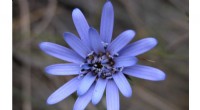
Large, colorful flowers are often associated with attracting pollinators, such as insects or birds, which play a crucial role in transferring pollen grains between flowers. However, not all angiosperm plants rely on large, colorful flowers for pollination. Many plants have small, inconspicuous flowers that are pollinated by wind or self-pollination.
Therefore, while large, colorful flowers can be an adaptation to attract pollinators and enhance the chances of successful pollination, they are not a universal feature of angiosperm plants and are not directly linked to the reproductive advancement of pollination.