1. Domain (also called Superkingdom):
- The highest level of classification dividing life into three main groups based on fundamental cellular and genetic features: Bacteria (prokaryotes), Archaea (prokaryotes), and Eukarya (organisms with a defined nucleus).
2. Kingdom:
- Kingdom is a major grouping that includes organisms sharing similar structural and functional features. There are four kingdoms: Animalia (animals), Plantae (plants), Fungi (fungi), and Protista (diverse group including various unicellular and multicellular eukaryotic organisms).
3. Phylum (or Division for plants):
- Phylum (or Division in the case of plants) further divides organisms based on shared characteristics within each kingdom. For example, in the animal kingdom, arthropods, chordates, mollusks, and echinoderms are separate phyla.
4. Class:
- Classes categorize organisms within a phylum sharing more specific characteristics. For example, insects, arachnids, and crustaceans are classes of arthropods.
5. Order:
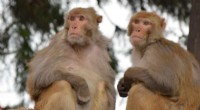
- Organisms in the same order have closer evolutionary relationships and significant common features. Primates, carnivores, and rodents are mammalian orders.
6. Family:
- Organisms within a family have a more recent common ancestor and share many details. Felidae (cats), Canidae (dogs), and Ursidae (bears) are examples of mammalian families.
7. Genus:
- Genus refers to a group of closely related organisms with similar morphology, behavior, genetics, and reproductive compatibility. For instance, the genus Canis includes various dog species like Canis lupus (wolves), Canis familiaris (domestic dogs), and Canis latrans (coyotes).
8. Species:
- Species is the fundamental level of biological classification and represents organisms capable of interbreeding and producing fertile offspring under natural conditions. It's the most specific category in taxonomy.
This classification system allows scientists to organize and understand the immense diversity of life on Earth, identify evolutionary relationships, and study the genetic and phenotypic characteristics that distinguish different species.