Spore Germination: Fungal spores germinate when they come into contact with a suitable environment. The spore absorbs water and nutrients, and a germ tube emerges.
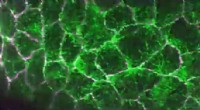
Mycelium Growth: The germ tube grows into a network of hyphae, forming a mycelium. The mycelium spreads through the substrate, absorbing nutrients from it.
Nutrient Absorption: Fungal hyphae secrete enzymes that break down complex organic matter into simpler compounds that the fungus can absorb. These enzymes can be produced extracellularly or may be located on the surface of the hyphae. The nutrients are then taken up by the hyphae through osmosis.
Decomposition and Absorption: Fungi play a vital role in the decomposition of organic matter. They secrete enzymes that break down dead plant and animal material, releasing nutrients back into the environment. These nutrients are then absorbed by the fungal mycelium.
Saprobic Nutrition: Many fungi are saprobes, meaning they obtain nutrients from dead or decaying organic matter. These fungi play a crucial role in the decomposition process and recycling of nutrients in ecosystems.
Parasitic Nutrition: Some fungi are parasites, obtaining nutrients from living hosts. These fungi can cause diseases in plants, animals, and even other fungi.
Endophytic Nutrition: Certain fungi form symbiotic relationships with plants, known as endophytes. These fungi live within plant tissues without causing any harm and exchange nutrients with the plant.