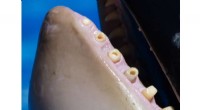
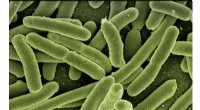
Common examples of biological control agents include predators, parasites, pathogens, and competitors. Predators are organisms that hunt and feed on the pest organism. Parasites are organisms that live in or on the pest organism and cause damage to it. Pathogens are microorganisms that cause disease in the pest organism. Competitors are organisms that compete with the pest organism for resources, such as food or habitat.
Biological control has several advantages over chemical pest control methods. It is often more effective, as it can target specific pests without harming beneficial organisms. It is also more environmentally friendly, as it does not leave behind harmful chemical residues. Additionally, biological control is usually less expensive than chemical pest control, as it does not require the purchase and application of pesticides.
However, there are also some disadvantages to biological control. It can be difficult to find and introduce effective biological control agents, and it can take some time for the populations of these agents to build up to sufficient levels to control the pest population. Additionally, some biological control agents can themselves become pests if their populations are not properly managed.
Overall, biological pest control is a promising method of pest management that has the potential to reduce our reliance on chemical pesticides and create more sustainable agricultural systems.