Cell membrane: The cell membrane is responsible for maintaining the cell's integrity, regulating the movement of substances in and out of the cell, and providing a barrier against harmful substances. Without a cell membrane, the cell would burst and the internal contents would leak out.
Cytoplasm: The cytoplasm is the fluid-filled interior of the cell that contains all the organelles. It provides support and transport for the organelles and facilitates chemical reactions. Without cytoplasm, the organelles would not be able to function properly and the cell would be unable to carry out its activities.
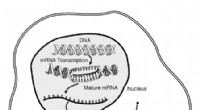
Nucleus: The nucleus contains the cell's genetic material (DNA) and is responsible for controlling the cell's activities. Without a nucleus, the cell would not be able to reproduce or carry out essential cellular functions.
Mitochondria: Mitochondria are known as the powerhouses of the cell because they produce energy in the form of ATP. Without mitochondria, the cell would not have sufficient energy to carry out its functions and would eventually die.
Ribosomes: Ribosomes are responsible for protein synthesis. Without ribosomes, the cell would not be able to produce the proteins it needs to function properly.
Endoplasmic reticulum: The endoplasmic reticulum is responsible for synthesizing lipids, processing proteins, and transporting materials within the cell. Without the endoplasmic reticulum, these processes would be disrupted and the cell would be unable to function properly.
Golgi apparatus: The Golgi apparatus is responsible for processing, sorting, and packaging proteins and lipids for transport to their destinations within the cell. Without the Golgi apparatus, these processes would be disrupted and the cell would be unable to function properly.
Lysosomes: Lysosomes are membrane-bound organelles that contain digestive enzymes. They are responsible for breaking down waste materials and recycling them for use by the cell. Without lysosomes, the cell would be unable to get rid of waste products and would eventually die.
In summary, the absence of any one cell organelle can have serious consequences for the cell's ability to function and survive. Each organelle plays a crucial role in maintaining cellular homeostasis and ensuring that the cell can carry out its essential processes.