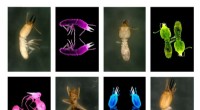
Allopatric speciation occurs when two populations of a species are geographically isolated from each other, preventing gene flow between them. This isolation can be caused by a variety of factors, such as the formation of mountains, the movement of glaciers, or the formation of new bodies of water. Over time, the two populations can evolve independently and become so genetically different that they are no longer able to interbreed.
Parapatric speciation occurs when two populations of a species live in adjacent ranges, with a narrow zone of overlap between them. Gene flow is restricted between the two populations, but not completely prevented. This can lead to the evolution of reproductive isolation between the two populations, even though they still live in the same general area.
Gene flow is the movement of genes between populations of a species. Gene flow can help to maintain genetic diversity within a species and prevent it from becoming too genetically different.
Sympatric speciation occurs when two populations of a species evolve reproductive isolation from each other without any geographic separation. This can happen in a variety of ways, such as through the evolution of different mating preferences or the development of new reproductive structures.