Labeling and Identification:
When performing gel electrophoresis, multiple DNA samples are often processed simultaneously. Taping the DNA fragments onto large paper allows for easy labeling and identification of each sample. Researchers can write the sample names, concentrations, or other relevant information directly on the paper next to the taped DNA. This labeling helps keep track of the samples and ensures accurate data analysis.
Visualization:
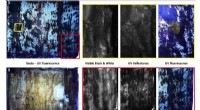
Gel electrophoresis involves the separation of DNA fragments by size through a gel matrix. After the electrophoresis run, the DNA fragments are usually visualized under ultraviolet (UV) light. By taping the DNA onto large paper, the fragments become more spread out and easier to see under UV light. This improved visualization helps researchers analyze the DNA patterns and estimate the sizes of the DNA fragments.
Data Recording:
Taping the DNA onto large paper creates a permanent record of the gel electrophoresis results. Researchers can take photographs or make sketches of the DNA banding patterns on the paper. This documentation is essential for data analysis, interpretation, and future reference. The physical record of the gel also enables the sharing of results with colleagues and allows for easier comparison between different experiments.
Sample Preservation:
Taping the DNA onto large paper provides a means of preserving the DNA fragments for future analysis. The paper acts as a protective barrier, preventing the DNA from smearing or being damaged during handling. Researchers can store the taped DNA samples at appropriate conditions (such as refrigeration or freezing) for subsequent experiments or re-analysis.
Educational Tool:
In teaching laboratories or classroom demonstrations, taping DNA fragments onto large paper serves as an effective visual aid. It allows students to observe and understand the principles of gel electrophoresis and the separation of DNA fragments based on size. The tangible nature of the taped DNA helps students better grasp the concepts and techniques involved in DNA analysis.
Overall, taping DNA onto large paper during gel electrophoresis facilitates efficient sample handling, labeling, visualization, documentation, preservation, and educational purposes, contributing to accurate and reliable DNA analysis in research and educational settings.