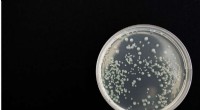
Bacteria are the most common type of prokaryote. There are many different species of bacteria, and they can be found in all environments on Earth. Bacteria play important roles in the environment, including decomposing organic matter, cycling nutrients, and producing antibiotics.
Archaea are a less common type of prokaryote. They are found in extreme environments, such as hot springs, acidic environments, and deep sea hydrothermal vents. Archaea are also found in the human body, where they help us digest food and fight off infections.
Prokaryotes are essential to the functioning of the Earth's ecosystem. They play important roles in nutrient cycling, decomposition, and the production of oxygen. Prokaryotes are also used in a variety of industrial applications, such as food production, fermentation, and waste treatment.