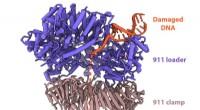
1. DNA Damage: Abnormal cell growth typically starts with damage to the DNA, which contains the instructions for cell reproduction. DNA damage can be caused by various factors, including genetic mutations, exposure to carcinogens, radiation, or oxidative stress.
2. Dysplasia: As a result of DNA damage, cells may develop changes in their appearance and growth patterns. This condition is known as dysplasia. Dysplastic cells have abnormal size, shape, and organization but are still confined to the tissue where they originated.
3. Neoplasia: If dysplasia progresses, it can lead to neoplasia, characterized by the formation of a neoplasm or tumor. Neoplasms can be benign (non-cancerous) or malignant (cancerous).
4. Cancer: Malignant neoplasms or cancerous tumors are characterized by uncontrolled cell growth and the ability to invade nearby tissues and spread to other parts of the body through a process called metastasis. Cancer cells have several hallmarks, including uncontrolled cell division, evasion of apoptosis (cell death), angiogenesis (formation of new blood vessels to support the growing tumor), tissue invasion, and metastasis.
The uncontrolled reproduction of cells disrupts the normal functioning of tissues and organs, leading to a wide range of symptoms and health complications depending on the location and type of cancer. The behavior of cancer cells and the progression of the disease can vary greatly depending on the specific type of cancer and individual factors such as genetics, lifestyle, and immune response. Therefore, early detection and appropriate treatment are critical for managing and potentially curing certain types of cancer.