- Obligate anaerobes: these organisms cannot survive in the presence of oxygen, and therefore, do not use oxygen as a final electron acceptor in cellular respiration. Instead, they use alternative electron acceptors such as sulfate, nitrate, or fumarate. Examples of obligate anaerobes include some bacteria and archaea.
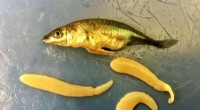
- Facultative anaerobes: these organisms can switch between aerobic respiration (in the presence of oxygen) and anaerobic respiration (in the absence of oxygen) depending on the availability of oxygen. When oxygen is present, they use aerobic respiration, but when oxygen levels drop, they switch to anaerobic respiration. Examples of facultative anaerobes include yeast, some bacteria, and some parasitic worms.
- Aerotolerant anaerobes: these organisms normally do not grow in the presence of oxygen but are able to survive or grow in its presence. However, they do not use oxygen as a terminal electron acceptor in respiration; they use alternative pathways. Some aerotolerant anaerobes may have residual enzymes for respiration, but these enzymes are not active under aerobic conditions. Examples include some bacteria and fungi.
- Microaerophiles: these organisms require a low concentration of oxygen for growth and cannot tolerate the high oxygen levels present in the atmosphere. They have specialized enzymes and metabolic pathways that function best at low oxygen levels. Examples include some bacteria and certain species of archaea.
- Archaea: while some archaea do carry out respiration using electron transport chains similar to those in other organisms, others use different mechanisms to generate ATP. For instance, some archaea employ alternative electron carriers, while others use unique metabolic pathways like methanogenesis or acetogenesis.