Bioindicators are useful tools for environmental monitoring because they can provide early warning signs of pollution or other environmental stressors. They can also help to identify the sources of pollution and track the effectiveness of remediation efforts. By using bioindicators, scientists and environmental managers can make informed decisions about how to protect and improve the health of ecosystems.
Here are some examples of bioindicators:
* Lichens: Lichens are symbiotic organisms that consist of a fungus and an alga. They are sensitive to air pollution, particularly sulfur dioxide and ozone. Lichens can be used to monitor air quality in urban areas and industrial regions.
* Fish: Fish are sensitive to changes in water quality, such as pollution, temperature, and pH. Fish populations can be used to monitor the health of aquatic ecosystems.
* Birds: Birds are sensitive to changes in habitat quality, such as deforestation, urbanization, and pollution. Bird populations can be used to monitor the health of terrestrial ecosystems.
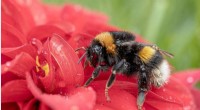
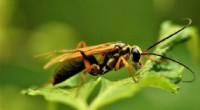
* Insects: Insects are sensitive to a variety of environmental factors, including temperature, humidity, and the availability of food. Insect populations can be used to monitor the health of ecosystems and identify potential problems.