Comparing the physical structures of different species can reveal evolutionary relationships. Homologous structures, such as the forelimbs of humans, bats, and whales, serve similar functions despite differences in appearance, suggesting a common ancestor.
2. Embryology:
Studying the development of embryos across species uncovers similarities in early stages, even among distantly related organisms. This suggests shared ancestry through evolutionary processes.
3. Fossil Records:
Fossils provide direct evidence of past life and illustrate the gradual changes in species over time. Transitional fossils, like Archaeopteryx, show characteristics of both reptiles and birds, demonstrating evolutionary transitions.
4. Molecular Biology and Genetics:
Comparing DNA and protein sequences reveals genetic similarities between species. The more similar the sequences, the closer the evolutionary relationship. Molecular clocks estimate evolutionary divergences based on mutation rates.
5. Biogeography:
Geographic distribution patterns of species can reveal evolutionary histories. Closely related species tend to be found in the same geographic regions due to shared ancestry and limited dispersal abilities.
6. Adaptive Radiation:
Diversification of species into different forms to adapt to specific environments. Finches on the Galapagos Islands demonstrate adaptive radiation, with different beak shapes for varied diets.
7. Artificial Selection:
Selective breeding in domesticated plants and animals accelerates evolution on a shorter timescale, showcasing the principles of natural selection.
8. Extinction and Speciation:
Studying the extinction and emergence of species through geologic time periods provides evidence for evolutionary change and the impact of environmental changes.
9. Convergent Evolution:
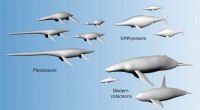
Unrelated species evolving similar traits due to similar environmental pressures. For example, the streamlined body shape of dolphins, penguins, and ichthyosaurs.
10. Vestigial Structures:
Some organisms possess vestigial structures, remnants of organs or features that served a purpose in ancestral species but have since lost their original function.
11. Endemism:
The presence of species unique to a specific geographic area suggests long-term isolation and evolution in that region.
These lines of evidence provide compelling support for the theory of evolution, demonstrating the interconnectedness of life forms and the processes that shape biodiversity over time.