Here is a simplified explanation of trophic levels:
1. Producers:
Producers form the foundation of any ecosystem. They are autotrophic organisms capable of synthesizing their food from inorganic substances. The primary producers are usually green plants that utilize sunlight, water, and carbon dioxide through photosynthesis to produce organic matter.
2. Primary Consumers or Herbivores:
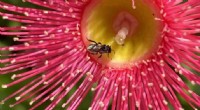
Primary consumers are organisms that feed directly on producers. They are also called herbivores because their diet primarily consists of plant material. These include animals such as deer, rabbits, insects, and many aquatic organisms.
3. Secondary Consumers or Carnivores:
Secondary consumers are organisms that feed on primary consumers. They are often referred to as carnivores since they consume animal flesh. Common examples include various predators like wolves, coyotes, and larger carnivorous insects.
4. Tertiary Consumers or Top Predators:
Tertiary consumers represent the highest trophic levels in many ecosystems. They are carnivorous organisms that feed on secondary consumers. These include top predators like lions, tigers, hawks, and some large fish species.
5. Quaternary Consumers:
In some ecosystems, there may be additional trophic levels beyond tertiary consumers. These are known as quaternary consumers and consist of organisms that feed on tertiary consumers. Typically, these are specialized predators or scavengers.
It's important to note that the trophic level concept simplifies complex ecological interactions. Real-world ecosystems often exhibit intricate food chains and food webs, where species may feed at multiple trophic levels, creating overlaps and interconnected energy pathways. Nonetheless, the concept of trophic levels helps understand how energy and nutrients flow through an ecological community and highlights the importance of species diversity in maintaining ecosystem stability.