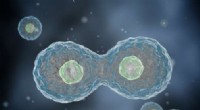
* Reproduction: Unicellular organisms reproduce by cell division, while multicellular organisms reproduce by sexual reproduction or asexual reproduction.
* Metabolism: Unicellular and multicellular organisms both take in nutrients from their environment and use those nutrients to produce energy and build new cells.
* Response to stimuli: Unicellular and multicellular organisms both respond to stimuli in their environment. For example, they may move away from harmful stimuli or towards beneficial stimuli.
* Homeostasis: Unicellular and multicellular organisms both maintain a stable internal environment, even when the external environment changes. For example, they may regulate their body temperature or pH levels.
* Growth: Unicellular and multicellular organisms both grow and develop over time.
* Death: Unicellular and multicellular organisms both eventually die.