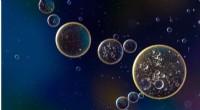
1. Engulfment of Prokaryotes: It is believed that a primitive eukaryotic cell engulfed one or more free-living prokaryotic cells, probably through a process similar to phagocytosis.
2. Endosymbiotic Relationship: The engulfed prokaryotic cells became endosymbionts and established a symbiotic relationship with the host cell. These symbiotic relationships provided mutual benefits, such as energy production for the host cell and a protected environment for the endosymbionts.
3. Mitochondrial Origin: One of the most notable endosymbiotic events led to the origin of mitochondria. It is thought that an aerobic prokaryote, likely similar to modern-day alpha-proteobacteria, entered into an endosymbiotic relationship, enabling the host cell to carry out aerobic respiration efficiently.
4. Evolution of Organelles: The engulfed prokaryotic cells gradually lost their independent lifestyles and became specialized compartments within the eukaryotic cell, forming organelles such as mitochondria and plastids (chloroplasts in plants).
5. Transfer of Genes: Over time, some of the genes from the endosymbionts were transferred to the nucleus of the eukaryotic cell through horizontal gene transfer. This gene transfer equipped the eukaryotic cell with new genetic information and contributed to the genome complexity observed in eukaryotes.
6. Coevolution: The endosymbiotic relationship underwent a process of coevolution, where both the host cell and the endosymbiont(s) evolved adaptations that enhanced their mutualistic partnership and overall fitness.
7. Adaptations for Communication: To facilitate efficient coordination and communication, complex biochemical pathways and signaling mechanisms evolved between the host cell and the endosymbionts, ensuring harmonized interactions and proper cellular functioning.
8. Evolutionary Success: The evolutionary success of eukaryotes can be attributed to the benefits gained through endosymbiosis, including efficient energy production, photosynthesis (in plant cells), and the development of complex cellular structures and functions.
These events and processes support the hypothesis of endosymbiosis as a key mechanism in the evolution of prokaryotes into eukaryotes, leading to the incredible diversity and complexity observed in the eukaryotic domain of life.