Here's a more detailed explanation of decomposers:
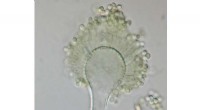
Bacteria and Fungi: Bacteria and fungi are the primary decomposers in most ecosystems. They break down complex organic compounds into simpler substances through processes like respiration, fermentation, and decomposition. Bacteria and fungi secrete enzymes that break down the organic matter into nutrients, which can be absorbed and utilized by other organisms.
Scavengers: Scavengers are animals that feed on dead organisms. They play a role in decomposing carcasses, removing waste material, and recycling nutrients back into the ecosystem. Examples of scavengers include vultures, hyenas, and certain insects like beetles and flies.
Worms: Worms are essential decomposers in soil ecosystems. They ingest organic matter, such as fallen leaves, dead plant roots, and animal remains. As the worms digest this organic material, they break it down and release nutrients into the soil, improving its fertility and supporting plant growth.
The process of decomposition is vital in nutrient recycling. Dead plants and animals contain essential nutrients that are locked within their tissues. Decomposers break down these tissues and release the nutrients back into the soil or environment. This makes the nutrients available for uptake by other organisms, facilitating the growth of plants and the overall health of the ecosystem.
In summary, decomposers play a crucial role in the natural decomposition process by breaking down organic matter from dead organisms and releasing essential nutrients back into the environment. They contribute significantly to nutrient cycling and play a vital role in the functioning of ecosystems.