1. Mules: Mules are the offspring of a male donkey and a female horse. They are sterile and incapable of reproducing due to an odd number of chromosomes.
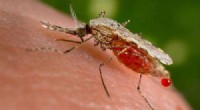
2. Worker Ants, Bees, and Termites: Certain social insect species, such as worker ants, bees, and termites, are sterile individuals that cannot reproduce. They play specific roles in the colony, such as foraging for food, caring for the young, or defending the colony.
3. Some Plant Species: Some plant species, such as certain types of ferns and mosses, reproduce through asexual means, such as spore production or vegetative propagation, without the involvement of sexual reproduction.
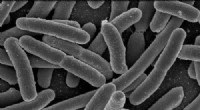
4. Certain Single-celled Organisms: Some single-celled organisms, like certain strains of bacteria and protists, can reproduce asexually through binary fission or budding, where one individual divides into two or more identical offspring. However, they lack the ability to reproduce sexually.
5. Male Drones in Honeybees: Male drones in honeybee colonies are incapable of reproducing. Their primary role is to mate with the queen during the mating flight.
6. Aging or Infertile Individuals: Within a species, there may be individuals who become infertile due to age, genetic defects, or various factors affecting their reproductive systems.
It's important to note that the ability to reproduce is a generalized characteristic of living organisms. However, there are exceptions and variations in reproductive strategies across different species and even within populations.