Key points about haploid cells and organisms:
Gametes: Haploid cells are commonly associated with gametes, the reproductive cells (eggs and sperm) of sexually reproducing organisms like plants and animals. Gametes fuse during fertilization to form a diploid zygote, which then develops into the offspring.
Diploid vs. Haploid: Haploid cells stand in contrast to diploid cells, which have two sets of chromosomes, one inherited from each parent. Most body cells (somatic cells) of eukaryotic organisms are diploid.
Meiosis: Haploid cells arise through the process of meiosis, a special type of cell division that occurs in reproductive cells. Meiosis reduces the chromosome number by half to ensure that fertilization (the fusion of gametes) results in a diploid zygote with the correct number of chromosomes.
Examples:
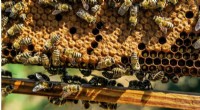
- Male honey bees: Haploid male bees (drones) develop from unfertilized eggs. Drones have half the number of chromosomes as worker bees and queen bees, which are diploid.
- Plant spores: Haploid spores are produced in certain plant life cycles. They can grow into gametophytes, which generate gametes.
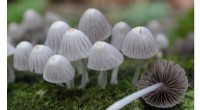
- Haploid organisms: A few organisms, such as some protists and fungi, spend their entire life cycle in the haploid phase. They reproduce asexually by mitosis or have an alternation of generations life cycle involving both haploid and diploid phases.
Understanding haploidy is crucial in genetics and sexual reproduction. It explains why genetic diversity is introduced during meiosis when homologous chromosomes pair and undergo genetic recombination, leading to variations in the gametes.