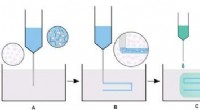
1. Attachment: The virus attaches to the surface of the host cell using specific proteins on its surface.
2. Entry: The virus enters the host cell through a variety of mechanisms, such as fusion with the cell membrane, endocytosis, or phagocytosis.
3. Uncoating: Once inside the cell, the virus uncoats itself, releasing its genetic material (either DNA or RNA).
4. Replication: The virus uses the host cell's machinery to make copies of its genetic material.
5. Assembly: The newly synthesized viral components are assembled into new virus particles.
6. Release: The new virus particles leave the host cell through a process called budding or cell lysis (rupture).
The newly released virus particles can then infect other cells and repeat the replication cycle, leading to the spread of the infection.