Some of the main sources of peptidases include:
- The digestive system: Peptidases are produced in the stomach, pancreas, and small intestine to help digest dietary proteins.
- The lysosomes: Lysosomes are membrane-bound organelles that contain a variety of hydrolytic enzymes, including peptidases, that are involved in the degradation of cellular components.
- The cytosol: The cytosol is the fluid-filled portion of the cell and contains a variety of peptidases that are involved in protein synthesis and degradation.
- The extracellular space: Some peptidases are secreted into the extracellular space, where they play a role in tissue remodeling, wound healing, and immune response.
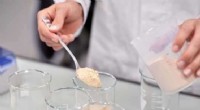
Peptidases can also be obtained from microbial sources, such as bacteria and fungi. Microbial peptidases are often used in industrial applications, such as food processing, brewing, and detergent manufacturing.