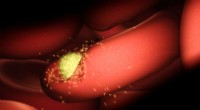
1. Universal Solvent: Water is often referred to as the "universal solvent" due to its exceptional ability to dissolve a wide range of substances, including ionic compounds, polar molecules, and even some nonpolar substances. This property enables water to act as a medium for chemical reactions, transport nutrients, and facilitate numerous biological processes.
2. Cohesion and Adhesion: Water molecules exhibit strong cohesive forces due to hydrogen bonding, which makes water droplets form and stay together. Cohesion also contributes to surface tension, allowing insects like water striders to walk on water. Additionally, water has a high adhesive property, enabling it to cling to surfaces and rise through narrow tubes (capillary action), essential for transporting water in plants and absorption in paper towels.
3. High Heat Capacity: Water has an exceptionally high heat capacity, meaning it can absorb or release a large amount of heat with relatively small temperature changes. This property is crucial for regulating Earth's temperature, preventing drastic fluctuations and stabilizing the environment for life.
4. Thermal Expansion Anomaly: Water's density increases as temperature drops from room temperature to 4°C, but then it decreases as temperature decreases further. This unusual behavior is known as the "thermal expansion anomaly" and allows ice to float on water, creating an insulating layer that protects aquatic ecosystems from freezing.
5. pH and Acid-Base Chemistry: Water undergoes autoionization, where a small number of water molecules dissociate into hydrogen (H+) and hydroxide (OH-) ions, resulting in a neutral pH of 7. This fundamental property is critical for maintaining pH balance in biological systems, enzyme activity, and chemical reactions.
6. Hydrolysis Reactions: Water molecules play a vital role in hydrolysis reactions, where chemical bonds are broken by the addition of water. Hydrolysis is fundamental in numerous biological processes such as digestion, breaking down complex molecules into smaller components that can be absorbed by cells.
7. Structure of DNA and RNA: Water is essential for the structural stability and function of DNA (deoxyribonucleic acid) and RNA (ribonucleic acid), the molecules responsible for carrying genetic information. Water molecules form hydrogen bonds with the nitrogenous bases of these nucleic acids, maintaining their specific structures crucial for biological function.
8. Hydration Shell: Water molecules form a hydration shell around ions, molecules, and other charged particles in aqueous solutions. This shell influences molecular behavior, solubility, and interactions in chemical and biological systems.
9. Habitat for Aquatic Organisms: Water is the primary habitat for aquatic plants and animals, providing buoyancy, sustenance, and a medium for movement and reproduction. It supports diverse ecosystems ranging from freshwater bodies to oceans, sustaining intricate food webs and biodiversity.
In summary, water (H2O) is of paramount significance in science due to its unique properties as a universal solvent, its role in regulating temperature, its involvement in chemical reactions, its importance for biological processes, and its essential habitat function. Understanding and studying H2O has been crucial for advancements in chemistry, biology, environmental science, and many other scientific fields.