New research reveals the mechanism behind the effectiveness of a potent bacterial toxin against the dangerous superbug MRSA.
Methicillin-resistant Staphylococcus aureus (MRSA) is a highly contagious and antibiotic-resistant bacterium responsible for various severe infections, including skin, soft tissue, and bloodstream infections. The rise of MRSA has posed significant challenges in treating infections and has led to increased healthcare costs.
In a groundbreaking study, researchers at the University of California, San Diego, have discovered how a potent bacterial toxin, known as lysostaphin, kills MRSA bacteria. Lysostaphin is produced by the Staphylococcus simulans bacterium and has shown immense potential in combatting MRSA infections.
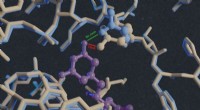
The research team, led by Professor John Mekalanos, elucidated the molecular mechanism by which lysostaphin disrupts the cell wall of MRSA bacteria, ultimately leading to their destruction. They found that lysostaphin targets and cleaves a specific bond within the peptidoglycan, a vital component of the bacterial cell wall.
By breaking down the peptidoglycan structure, lysostaphin weakens the cell wall, causing the MRSA bacteria to burst and die. This finding underscores the potential of lysostaphin as a promising therapeutic strategy against MRSA infections.
The study emphasizes the importance of exploring natural sources for novel antimicrobial compounds capable of combating antibiotic-resistant pathogens like MRSA. Lysostaphin represents a potential game-changer in treating MRSA infections and could revolutionize the fight against antibiotic resistance.
The researchers further highlight the need for extensive research to assess the safety and effectiveness of lysostaphin in humans and to investigate any potential side effects or resistance mechanisms that could arise over time.
Overall, the discovery of the potent bacterial toxin's mechanism against MRSA bacteria marks a significant breakthrough in the ongoing battle against antibiotic resistance. Lysostaphin holds immense promise as a novel therapeutic option, offering hope for more effective and targeted treatments against this life-threatening superbug.