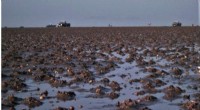
- Native oyster reefs, once abundant in coastal ecosystems, have declined drastically due to overharvesting, pollution, and habitat destruction.
- Restoration efforts that focus on rebuilding these native oyster reefs can have far-reaching positive effects.
- Oysters are prolific filter feeders, capable of removing pollutants and excess nutrients from the water.
- As oyster populations recover, they improve water quality, creating a healthier environment for other marine organisms.
- Oyster reefs also provide vital habitat for a diverse range of species, including fish, crabs, and birds, contributing to overall biodiversity.
2. Artificial Reefs: Extending Restoration Reach
- In addition to restoring native oyster reefs, building artificial reefs can further expand the impact of restoration efforts.
- Artificial reefs can be created using various materials, such as concrete structures, old tires, or recycled materials like oyster shells.
- By strategically placing artificial reefs in areas suitable for oyster growth, marine conservationists can increase the overall abundance of oyster populations.
- These artificial reefs provide similar ecological benefits as native oyster reefs, filtering water, improving habitat, and supporting diverse marine life.
3. Community Involvement: A Key Ingredient
- The success of oyster reef restoration projects relies heavily on the involvement and support of local communities.
- Engaging local stakeholders, including fishermen, conservation groups, and volunteers, ensures a collective commitment to the preservation of marine ecosystems.
- Community involvement can take many forms, from volunteering in restoration activities to advocating for policies that protect oyster populations and their habitats.
- Education programs that raise awareness about the importance of oysters and their role in coastal ecosystems are also crucial in garnering public support.
By combining these three approaches—restoring native oyster reefs, building artificial reefs, and fostering community involvement—we can effectively address the decline of global oyster populations and contribute to the overall health of our coastal ecosystems.