Key Points:
Discovery: The study reveals the presence of genes associated with nitrogen fixation within the genomes of certain marine microbial eukaryotes, specifically in the "Tara Oceans" database, which contains genetic data from diverse marine microorganisms.
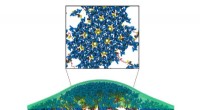
Nitrogen-Fixing Organelles: The researchers propose the concept of "diazosomes," analogous to nitrogen-fixing organelles called "bacteroids" found in certain bacteria. These diazosomes are hypothesized to be specialized compartments or structures within microbial eukaryotes that house nitrogen-fixing enzymes.
Multiple Hosts: The study identifies these potential diazosomes across a wide range of microbial eukaryotic groups, including diatoms, prymnesiophytes, chlorarachniophytes, and cryptophytes, suggesting a broader distribution of nitrogen fixation capabilities in marine microbial eukaryotes.
Symbiosis or Horizontal Gene Transfer: The authors explore two possible scenarios: either the microbial eukaryotes form symbiotic associations with diazotrophic bacteria or acquire nitrogen fixation genes through horizontal gene transfer. Further research is needed to determine the exact mechanism.
Significance: If confirmed, the presence of nitrogen-fixing organelles in marine microbial eukaryotes could reshape our understanding of marine ecosystems and their role in global nitrogen cycling. It highlights the potential contribution of these eukaryotic organisms to nitrogen fixation in marine environments, previously considered mainly driven by bacteria and archaea.
Conclusion:
The study opens new avenues for research on nitrogen fixation in marine microbial eukaryotes. Future investigations will focus on verifying the existence and functionality of diazosomes, their evolutionary origins, and their ecological impact within marine environments. Exploring the potential role of these microbial eukaryotes in nitrogen cycling could provide valuable insights into marine ecosystem dynamics and biogeochemical processes.