A new study published in the journal Nature Communications has revealed how corals control their algae population. The study found that corals produce a chemical called mycosporine-like amino acids (MAAs), which inhibit the growth of algae.
The researchers conducted a series of experiments to test the effects of MAAs on algae growth. They found that MAAs inhibited the growth of zooxanthellae in a dose-dependent manner. The higher the concentration of MAAs, the greater the inhibition of algae growth.
The researchers also found that MAAs are produced by the coral's host tissue, rather than by the zooxanthellae themselves. This suggests that corals actively control their algae population by producing MAAs.
The study provides new insights into the mechanisms by which corals maintain their symbiotic relationship with algae. This knowledge could help to develop new strategies for protecting corals from bleaching.
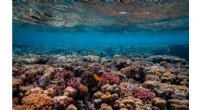
Coral bleaching is a major threat to coral reefs around the world. Bleaching occurs when corals lose their symbiotic algae, causing them to turn white. Bleached corals are more susceptible to disease and death.
Climate change is a major cause of coral bleaching. Rising ocean temperatures cause corals to expel their algae, leading to bleaching. Other stressors, such as pollution and overfishing, can also contribute to coral bleaching.
Coral bleaching is a serious problem that could have a devastating impact on marine ecosystems. Corals are important providers of food and shelter for other marine organisms. They also help to protect coastlines from erosion.
The study's findings could lead to new strategies for protecting corals from bleaching. By understanding how corals control their algae population, scientists may be able to develop new ways to help corals cope with stress.