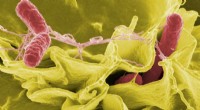
Staphylococcus aureus, a formidable Gram-positive bacterium, wields a remarkable survival skill – the ability to seamlessly transition between different biological environments, both within and outside a host organism. This adaptability lies at the heart of its notorious pathogenicity, allowing it to cause a wide spectrum of infections, from minor skin lesions to life-threatening diseases.
One key mechanism underlying Staphylococcus's shape-shifting prowess is the dynamic remodeling of its cell surface. This adaptability comes in the form of:
1. Surface Protein Expression:
Staphylococcus can swiftly adjust the expression levels of various surface proteins in response to its surroundings. These proteins act as molecular disguises, enabling the bacteria to evade host immune surveillance and integrate into diverse biological niches.
2. Biofilm Formation:
When conditions are unfavorable, such as nutrient deprivation or antibiotic stress, Staphylococcus can adopt a protective biofilm lifestyle. Biofilms are complex, multicellular communities where bacteria encase themselves in a self-produced matrix. This shield renders the bacteria highly resistant to antimicrobial agents and host defenses.
3. Modulation of Adhesion Factors:
Staphylococcus tightly regulates the production of adhesins, specialized molecules that help it adhere to host tissues and medical implants. By controlling these adhesive properties, the bacterium can effectively colonize diverse surfaces, a critical step in establishing infections.
4. Quorum Sensing:
Staphylococcus employs a sophisticated cell-to-cell communication system known as quorum sensing. This mechanism allows bacteria to collectively coordinate their behavior, influencing biofilm formation, virulence factor expression, and adaptation to environmental changes.
5. Dormancy Induction:
Under extreme conditions, such as nutrient scarcity or antibiotic pressure, Staphylococcus can enter a dormant state known as the small colony variant (SCV) phenotype. SCVs exhibit reduced metabolic activity, enhanced antibiotic resistance, and increased immune evasion capabilities, making them extremely difficult to eliminate.
6. Antibiotic Resistance Mechanisms:
Staphylococcus has an arsenal of antibiotic resistance genes that allow it to survive in the presence of antimicrobial drugs. These genes encode various mechanisms, including the production of enzymes that break down antibiotics, efflux pumps that actively expel drugs out of the cells, and modifications in target sites that reduce antibiotic binding.
7. Immune Evasion Strategies:
Staphylococcus employs an array of tactics to deceive and disrupt the host's immune response. These strategies include the production of toxins, enzymes, and other molecules that interfere with immune cell function, complement system activation, and phagocytosis.
8. Host Tissue Adaptation:
Staphylococcus exhibits a remarkable ability to adapt to different host tissues. For example, it can differentiate into specific subpopulations that thrive within the skin, nasal cavity, or bloodstream, optimizing its virulence within each environment.
In summary, Staphylococcus's impressive adaptability stems from its ability to dynamically remodel its cell surface, regulate virulence factor expression, and exploit various evasion mechanisms. This shape-shifting prowess allows it to thrive in a wide range of biological environments and cause infections with devastating consequences. Understanding the molecular gymnastics of Staphylococcus is crucial for developing effective strategies to combat this formidable pathogen.