Introduction:
Carbohydrates, or sugars, play a crucial role in various biological processes, including energy storage, cell signaling, and structural components. The proper attachment of carbohydrates to proteins, known as protein glycosylation, is essential for the stability, function, and trafficking of these proteins. However, disruptions in glycosylation can lead to various diseases and conditions. Recently, biologists have made significant progress in understanding how a key carbohydrate-attachment mechanism malfunctions, providing insights into the potential causes of glycosylation-related disorders.
Defective O-GlcNAcase Function:
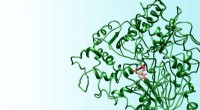
One of the important mechanisms involved in carbohydrate attachment is O-GlcNAcylation, where a single sugar molecule (N-acetylglucosamine) is attached to specific serine or threonine amino acids on proteins. The addition and removal of this sugar are regulated by the enzyme O-GlcNAcase. Studies have revealed that mutations or dysregulation of O-GlcNAcase can disrupt O-GlcNAcylation, leading to several biological consequences:
- Cancer: Aberrant O-GlcNAcylation has been implicated in the development and progression of various cancers. Overexpression or mutations in O-GlcNAcase can alter the O-GlcNAcylation status of oncogenic proteins, affecting their stability, activity, and interactions with other molecules. This, in turn, contributes to cancer cell growth, metastasis, and resistance to therapies.
- Neurodegenerative Diseases: O-GlcNAcylation plays a crucial role in neuronal function, and its disruption has been linked to several neurodegenerative diseases. Mutations in O-GlcNAcase have been identified in patients with Alzheimer's disease, Parkinson's disease, and Huntington's disease. Altered O-GlcNAcylation of key neuronal proteins affects their function and contributes to the neurotoxicity observed in these diseases.
- Metabolic Disorders: O-GlcNAcylation is also involved in regulating glucose metabolism and insulin signaling. Dysregulation of O-GlcNAcase activity can impair glucose homeostasis, leading to conditions such as insulin resistance and type 2 diabetes. Alterations in O-GlcNAcylation of insulin signaling proteins affect their ability to transduce signals and promote glucose uptake into cells.
Therapeutic Implications:
Understanding the mechanisms behind carbohydrate-attachment malfunctions, particularly O-GlcNAcylation defects, has significant therapeutic implications. By targeting the O-GlcNAcase enzyme or modulating the O-GlcNAcylation status of specific proteins, it may be possible to develop novel treatments for a wide range of diseases, including cancer, neurodegenerative disorders, and metabolic conditions.
Conclusion:
The recent discoveries regarding the malfunctioning of key carbohydrate-attachment mechanisms, such as O-GlcNAcylation, have shed light on the molecular basis of several diseases. By elucidating the underlying mechanisms, researchers aim to develop therapeutic strategies that can restore normal glycosylation patterns and improve patient outcomes. Further research in this field holds promise for the development of innovative treatments targeting carbohydrate-related disorders.