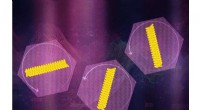
Scientists have discovered the reason behind blueberries' vibrant blue color, revealing that it's not just one factor, but a complex interplay between anthocyanin pigments and the acidity of the fruit.
Anthocyanins are widely known for giving various plants, flowers, and fruits their red, purple, and blue colors. However, in the case of blueberries, the high levels of anthocyanin pigments alone are insufficient to produce the deep blue color we see.
The research team, led by scientists at the John Innes Centre in the United Kingdom and colleagues from the University of East Anglia and INRAE in France, conducted an in-depth investigation of blueberry skin color. Their findings, published in the journal Nature Communications, shed light on the unique combination of factors responsible for the fruit's blue hue.
Key Findings:
- Anthocyanin Copigmentation: The scientists discovered that anthocyanins in blueberries tend to form molecular complexes called copigmentation complexes. These complexes enhance the color intensity and stability of anthocyanins, resulting in a more vivid blue color.
- pH and Aluminum Influence: The study revealed that the acidity level (pH) of blueberries significantly affects the color of anthocyanins. Low pH conditions (higher acidity) promote the formation of blue anthocyanins, whereas higher pH levels favor red anthocyanins.
- Aluminum Ion Interaction: Aluminum ions present in the soil and taken up by the blueberry plant play a crucial role in stabilizing the blue color of anthocyanins. Aluminum ions interact with anthocyanins to form complexes that enhance the stability and color intensity of the pigments.
The combination of anthocyanin copigmentation, low pH conditions, and aluminum ion interactions creates a synergistic effect that results in the deep blue color characteristic of blueberries. This discovery advances our understanding of plant coloration and may have implications for breeding, crop improvement, and potentially even human health.