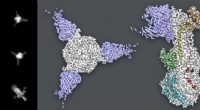
Photosynthesis involves the conversion of light energy into chemical energy, which is stored in the form of ATP and reducing power (NADPH). The research team focused on a key enzyme called ATP synthase, which is responsible for synthesizing ATP from ADP (adenosine diphosphate) using the energy released from the proton gradient generated during photosynthesis.
Using a combination of biochemical, biophysical, and structural biology techniques, the researchers discovered that ATP synthase is regulated by a small protein known as PGRL1 (photosynthesis-related protein 1). PGRL1 binds to ATP synthase and modulates its activity, ensuring that ATP synthesis is coordinated with the availability of light energy and the cellular demand for ATP.
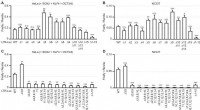
The researchers also identified specific amino acids within PGRL1 and ATP synthase that are critical for their interaction and regulatory function. By manipulating these amino acids through genetic engineering, they were able to alter the regulation of ATP synthesis, demonstrating the importance of these molecular interactions in controlling energy production in photosynthetic organisms.
Understanding the regulation of ATP synthesis in photosynthetic organisms is not only crucial for elucidating the fundamental mechanisms of photosynthesis but also has broader implications for fields such as bioenergy research and crop improvement. By harnessing the knowledge gained from this study, scientists can develop strategies to enhance the efficiency of photosynthesis and optimize ATP production in plants, potentially leading to increased biomass yields and improved food security.