Overview:
Cell parts or organelles such as mitochondria, the nucleus, and the Golgi apparatus, exhibit distinct shapes and structures. Understanding the origin of these forms has been a long-standing challenge in biology. Researchers have recently, made significant progress in unraveling the mechanisms that determine the appearance of cell organelles, shedding light on the fundamental processes that shape the cellular landscape.
Key Discovery:
The team made several breakthrough findings that provide insights into. cell organelle morphogenesis. Here are some of their key discoveries:
1. Protein Sorting and Assembly:
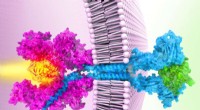
Proteins are the building blocks of cell organelles. The researches found that the precise sorting of proteins to specific organelle membranes plays a crucial role in shaping organelle form. They identified specific proteins that act as organizers and guide the assembly of protein complexes, determining organelle shapes.
2. Membrane Dynamics and Curvature:
The shape of organelles is influenced by the dynamic behavior of their surrounding membrane. The researchers discovered that membrane curvature -the bending of the membrane - is a critical factors in organelle morphogenesis. They identified membrane curvature-sensing proteins that regulate the bending and fusion of membrane, shaping organelle structure and maintaining their stability.
3. Cytoskeletal interactions
The cytoskeleton , a network of protein filaments and tubules, interact with organelles and influence their shape. The researchers found that motor proteins, which move along cytoskeletal filaments, play a role in organelle positioning, shaping, and division. The interplay between the cytoskeleton and organelles allows cells to adapt their organelle morphology in response to environmental changes.
Significance:
The researcher's findings have important implications for understanding cellular function, development, and disease. By unraveling the mechanisms behind organelle morphogenesis, they paved the way for future research on how defects in organelle shape contribute to human disease. Additionally, the insights gained from this study could lead to advancements in tissue engineering and regenerative medicine by enabling precise manipulation of organelle structure for therapeutic purposes.
Author's Reflection
The study's findings represent significant progress in understanding how cell parts get their shape. By elucidating the mechanisms behind organelle morphogenesis, researchers are now better equipped to explore how these structures contribute to cellular function and dysfunction. This knowledge holds the potential to unlock novel therapeutic strategies and technologies that target organelles to improve human health. Continued research in this field will undoubtedly lead to even deeper insights into the mysteries of cellular architecture.