Pesticides and Agrochemicals: Certain pesticides, particularly neonicotinoids, have been linked to negative effects on bee health. Exposure to these chemicals can affect bee behavior, navigation, and overall colony health.
Habitat Loss and Degradation: The destruction and fragmentation of natural habitats, including meadows, forests, and wetlands, reduces the availability of food sources and nesting sites for bees. Urbanization, intensive agriculture, and deforestation contribute to habitat loss.
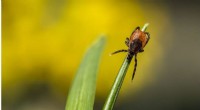
Varroa Destructor: Varroa destructor, commonly known as the varroa mite, is a parasitic mite that feeds on bees and weakens their immune systems. Infestations of varroa mites can lead to colony collapse if left untreated.
Nosema Ceranae: Nosema ceranae is a fungal pathogen that causes nosemosis, a common disease in honey bees. This disease can weaken bees and contribute to colony losses.
Climate Change: Changes in global climate, including rising temperatures, extreme weather events, and disruptions in seasonal patterns, can affect bee behavior, reproduction, and survival.
Poor Beekeeping Practices: Some beekeeping practices, such as improper hive management, lack of disease control, and inadequate nutrition, can contribute to colony declines.
Loss of Genetic Diversity: Inbreeding and reduced genetic diversity within bee populations can make bees more susceptible to diseases and environmental stressors. Preserving genetic diversity is crucial for maintaining healthy bee populations.
While these factors play significant roles in honey bee decline, it's important to note that the issue is multifaceted and involves a combination of these and other factors. Researchers and beekeepers are actively working to understand and address the challenges facing honey bees to ensure their survival and the stability of ecosystems that rely on pollination.