Saliva-Based Microbiome Analysis:
Saliva collection: Gathering saliva for analysis is a relatively simple procedure. It can be done by spitting into a sterile container, using a specialized collection device, or by passively drooling into a tube.
DNA extraction: Once saliva is collected, researchers extract DNA from the sample. This DNA represents the genetic material of all microorganisms present in the saliva.
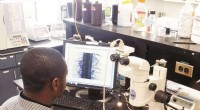
Sequencing and bioinformatics: The extracted DNA undergoes high-throughput sequencing, which generates vast amounts of DNA sequence data. Bioinformatics tools are then employed to analyze, assemble, and interpret these sequences to identify and characterize different microorganisms.
Microbial Diversity:
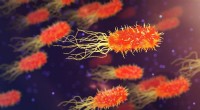
Saliva analysis reveals the rich biodiversity of the oral microbiome. Hundreds of different bacterial species, along with viruses, fungi, and protozoa, can be identified within a single saliva sample.
Compositional Analysis:
The relative abundance of different microorganisms is assessed through compositional analysis. This helps determine the dominant bacterial genera and species in the saliva, as well as the presence of potential pathogens or health-associated microbes.
Temporal Variation:
Microbiomes are dynamic, and saliva analysis allows researchers to track changes over time. This temporal variation can be linked to factors such as diet, oral hygiene practices, illness, or medication use.
Oral Health Indicators:
Saliva-based diagnostics can detect microbial imbalances or the presence of specific pathogens associated with oral diseases. Saliva analysis has been used to assess caries risk, periodontal disease, oral cancer, and other conditions.
Beyond Oral Health:
Emerging research suggests that the oral microbiome may influence overall health. Analyzing saliva can provide clues about the potential role of oral microorganisms in conditions such as obesity, cardiovascular disease, and even neurological disorders.
Personalized Medicine:
Saliva-based microbiome analysis has the potential for personalized medicine. By understanding an individual's unique oral microbiome composition, tailored preventive strategies, treatments, and lifestyle recommendations can be developed to maintain oral and overall health.
While saliva analysis offers a wealth of information about the oral microbiome, it's important to recognize that it represents only a fraction of the complex ecosystem within our mouths. Combining saliva-based analysis with other sampling techniques and functional studies can provide a more comprehensive understanding of the oral microbiome and its impact on health.