Gene Regulatory Networks:
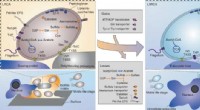
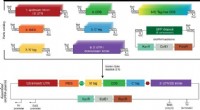
Mathematical models of gene regulatory networks depict how genes interact and influence one another's expression. These models show how the coordinated regulation of gene expression, rather than individual genes alone, gives rise to cellular processes, developmental patterns, and phenotypic traits.
Robustness and Canalization:
Mathematical models demonstrate how organisms maintain stability and robustness in their traits despite genetic variations. They reveal the concept of canalization, where genetic variations are buffered or compensated for, ensuring that organisms maintain functional traits within a certain range.
Emergent Properties:
Mathematical models can uncover emergent properties that arise from the interactions of multiple genes and cellular components. These properties, such as self-organization, pattern formation, and collective behavior, cannot be easily predicted from the properties of individual genes alone.
Evolvability:
Mathematical models help researchers understand how genetic variations can lead to evolutionary adaptations and the emergence of new traits. They provide insights into the complex relationships between genotype and phenotype, and how these relationships shape evolutionary trajectories.
Network Motifs and Modules:
Mathematical models enable the identification of recurring network motifs and modules within biological systems. These motifs represent functional units or building blocks that are reused across different biological contexts, contributing to the diversity of organismal functions.
Systems-Level Understanding:
Mathematical models provide a systems-level understanding of biological processes, encompassing molecular, cellular, and organismal scales. By integrating data from multiple levels, these models offer a holistic view of how organisms function as complex systems.
Predictive Power:
Mathematical models can make predictions about the behavior of biological systems under different conditions or perturbations. This predictive power allows researchers to test hypotheses and generate new insights into the underlying mechanisms of biological processes.
While mathematical models are powerful tools, it's important to recognize that they are simplifications of complex biological systems. They provide approximations and predictions that need to be validated through experimental studies. Nevertheless, mathematical models have revolutionized our understanding of how organisms transcend the sum of their genes and exhibit emergent properties that drive biological complexity.