In a recent study, researchers from the University of California, Berkeley, have discovered that DNA can transfer information between cells without any physical contact. This phenomenon, which has been dubbed "genetic telepathy," has the potential to revolutionize our understanding of how cells communicate and coordinate their activities.
How does genetic telepathy work?
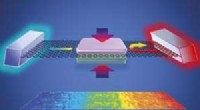
The researchers believe that genetic telepathy is mediated by a type of electromagnetic radiation called terahertz radiation. Terahertz radiation is a very high-energy form of light that is capable of penetrating through tissue. The researchers found that when DNA is exposed to terahertz radiation, it begins to emit its own terahertz radiation. This radiation can then be detected by other cells, which can then use the information to regulate their own activities.
What are the implications of genetic telepathy?
The discovery of genetic telepathy has a number of potential implications for our understanding of how cells communicate and coordinate their activities. For example, genetic telepathy could explain how cells are able to form complex structures, such as organs and tissues. It could also explain how cells are able to respond to changes in their environment, such as the presence of toxins or pathogens.
In addition, genetic telepathy could have a number of potential applications in medicine. For example, it could be used to develop new treatments for diseases that are caused by errors in cell communication. It could also be used to develop new diagnostic tools that can detect diseases earlier than current methods.
Further research is needed
The discovery of genetic telepathy is a major breakthrough in our understanding of how cells communicate and coordinate their activities. However, further research is needed to confirm the existence of genetic telepathy and to investigate its potential implications. If genetic telepathy is confirmed, it could have a profound impact on our understanding of biology and medicine.