The research, published in the journal Nature Cell Biology, found that breast cells are organized into distinct communities, each with its own unique function. These communities are regulated by a complex network of signaling pathways, which control how the cells communicate with each other and respond to their environment.
"This study provides a new understanding of how breast cells organize into tissue," said lead author Dr. Sarah-Jane Bidwell, a researcher at the University of Cambridge. "This knowledge could help us to develop new treatments for breast cancer, which is the most common cancer in women worldwide."
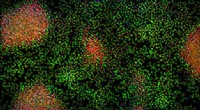
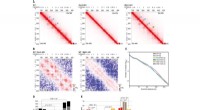
The study used a combination of imaging and computational techniques to analyze the organization of breast cells in 3D culture. The researchers found that breast cells form distinct clusters, which are separated by thin layers of extracellular matrix (ECM). The ECM is a complex network of proteins and sugars that provides structural support for cells and regulates their interactions with each other.
The researchers also found that the organization of breast cells into communities is regulated by a number of signaling pathways, including the Wnt, Notch, and TGF-beta pathways. These pathways control how the cells communicate with each other and respond to their environment.
"Our findings provide a new framework for understanding how breast cells organize into tissue," said Dr. Bidwell. "This knowledge could help us to develop new treatments for breast cancer, which target the signaling pathways that regulate the organization of breast cells."
Breast cancer is the most common cancer in women worldwide, with over 2 million new cases diagnosed each year. The disease is caused by the uncontrolled growth of breast cells, which can spread to other parts of the body.
Current treatments for breast cancer include surgery, chemotherapy, radiation therapy, and targeted therapy. These treatments are often effective, but they can also have side effects.
The new study provides insights into the development of breast cancer and potential new therapeutic targets. By targeting the signaling pathways that regulate the organization of breast cells, it may be possible to develop new treatments that are more effective and have fewer side effects.