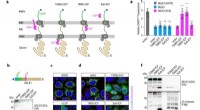
PfEMP1 is a large, complex protein with a molecular weight of approximately 200 kDa. It is composed of several domains, each with a specific function. The N-terminal domain of PfEMP1 binds to receptors on the surface of endothelial cells, while the C-terminal domain interacts with other PfEMP1 molecules to form multimeric complexes. These complexes form knob-like protrusions on the surface of infected red blood cells, which facilitate their adhesion to the endothelium.
The expression of PfEMP1 is regulated by a number of factors, including the parasite's genetic makeup, the host's immune response, and the environmental conditions. PfEMP1 can undergo antigenic variation, which means that the parasite can express different variants of the protein over time. This allows the parasite to evade the host's immune system and establish chronic infections.
PfEMP1 is a key target of antimalarial drugs and vaccines. By inhibiting the expression of PfEMP1 or by blocking its interaction with endothelial cells, it is possible to prevent the development of malaria symptoms. However, the development of effective antimalarial drugs and vaccines is challenging due to the complexity and antigenic variation of PfEMP1.