Chromatin, a complex structure of DNA and proteins within eukaryotic cells, regulates gene expression by controlling the accessibility of DNA to the cellular machinery. Chromatin remodelers are proteins that modify chromatin structure to facilitate or prevent gene transcription. One way chromatin remodelers block gene expression is by preventing the passage of histones along the DNA molecule, a process known as "histone pass."
Understanding Histone Pass and Its Implications:
Histone pass refers to the movement of histone octamers along the DNA double helix. This movement is crucial for various processes, including DNA replication, transcription, and repair. When histones are tightly bound to DNA, they form a compact structure called heterochromatin, which prevents transcription factors and RNA polymerase from accessing the DNA, leading to gene silencing. Chromatin remodelers can block histone pass and maintain heterochromatin, thereby suppressing gene expression.
Mechanisms of Blocking Histone Pass:
Chromatin remodelers utilize several mechanisms to block histone pass and maintain heterochromatin:
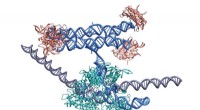
1. ATP-Dependent Remodeling: Some chromatin remodelers use the energy from ATP hydrolysis to physically move or "remodel" nucleosomes, the repeating units of DNA wrapped around histone proteins. By disrupting the nucleosome structure, chromatin remodelers can prevent histone pass and maintain a closed chromatin conformation that restricts transcription.
2. Histone Modification: Chromatin remodelers can also indirectly block histone pass by modifying histones through enzymatic activities. For example, certain remodelers catalyze the addition of specific chemical groups (methylation, acetylation) to histone tails, altering the histone-DNA interactions and making the chromatin less accessible for transcription.
3. Recruitment of Repressive Complexes: Chromatin remodelers can recruit other proteins or complexes that further stabilize the repressive chromatin structure and block histone pass. For instance, they can recruit histone deacetylases (HDACs) that remove acetyl groups from histones, leading to tighter histone-DNA binding and gene silencing.
Examples of Chromatin Remodelers Blocking Histone Pass:
1. SWI/SNF Complex: In yeast, the SWI/SNF chromatin remodeling complex is involved in opening up condensed chromatin regions by sliding nucleosomes and promoting histone pass. However, under certain conditions, SWI/SNF can also block histone pass, contributing to gene repression.
2. ISWI Complex: The Imitation Switch (ISWI) complex is another widely studied remodeler that can both move and deposit nucleosomes. In certain contexts, ISWI can block histone pass and stabilize repressive chromatin structures to regulate gene expression.
Conclusion:
Chromatin remodelers play a crucial role in controlling gene expression by modulating chromatin structure. By blocking histone pass, remodelers can maintain a closed chromatin conformation, restricting access to the DNA and preventing transcription. This mechanism is essential for regulating various cellular processes, including development, cell differentiation, and response to environmental stimuli. Further understanding of chromatin remodelers' actions and their intricate interplay with histone pass will provide valuable insights into the fundamental mechanisms underlying gene regulation and cellular function.