The research team focused on the honeybee species, Apis mellifera, and specifically examined how the experience of being fed royal jelly during the first three days of life influences the bee's developmental trajectory. Royal jelly is a special food secreted by young nurse bees that is typically reserved for the queen bee. When a worker bees receives royal jelly, it can develop into queen, with distinct morphological, physiological, and behavioral traits.
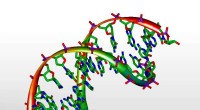
Using advanced molecular techniques, the researchers analysed the epigenetic marks in the genomes of worker bees that had received royal jelly or a standard diet. They identified specific reversible epigenetics marks, known as DNA methylation, that undergo dynamic changes in response to the royal jelly feeding. These epigenetic marks were found to be associated with genes involved in behaviors, including aggression, foraging, and brood care.
Interestingly, the researchers found that these DNA methylation marks could modulate the expression of behavior -related genes in the worker bees's brains. This suggests that early nutritional experience can leave a lasting epigenetic imprint on the bees's genetic regulatory systems leading to changes in behavior patterns observed throughout their lifespans.
Furthermore, the study revealed that the DNA methylation marks associated with the royal jelly treatment could be reversed later in life by manipulating the bees's diets or living conditions, This finding further highlights the dynamic and responsive nature of these epigenetic modifications.
The research team's discovery represents a major advance in our understanding of the link between environmental experiences, gene regulation, and behavior. By identifying the reversible epigenetic marks involved in honeybees's behavioral development, this study provides a powerful framework for investigating how environment factors influence gene expression and behavior across different species and contexts.