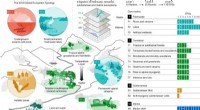
The study, published in the journal Cell Reports, utilized a genome-wide, proximity-dependent biotinylation (BioID) approach to systematically map these signaling pathways and revealed unexpected connections at the ER.
This study provides a comprehensive map of ER-resident proteins and signaling pathways, contributing to our understanding of how the ER integrates and coordinates various cellular functions.
The ER, a membrane-bound compartment found in eukaryotic cells, plays a crucial role in protein synthesis, folding, and trafficking. Defects in ER function are linked to various diseases, including neurodegenerative disorders and cancer.
Using the BioID approach, the research team identified 251 ER-resident proteins and characterized their proximity-dependent interactions. This allowed them to map the protein–protein interaction networks at the ER and gain insights into the molecular mechanisms underlying ER functions.
The study also revealed unexpected connections between the ER and specific signaling pathways, such as the Wnt/β-catenin pathway and the mitogen-activated protein kinase (MAPK) pathway. These findings challenge traditional views of these signaling pathways and suggest novel roles for the ER in cellular regulation.
Overall, the study provides a valuable resource for understanding the molecular interactions and signaling networks at the ER. This knowledge could pave the way for the development of new therapeutic strategies for diseases associated with ER dysfunction.
“The ER is a central hub for cellular processes, and understanding its intricate signaling networks is key to unraveling the mysteries of many diseases,” said senior author Dr. Jonathan Weissman, a professor of cellular and molecular pharmacology at UCSF. “This study expands our knowledge of the ER’s role in coordinating signaling pathways and provides a solid foundation for future investigations.”