A Chance Discovery:
In the late 1960s, Osamu Shimomura, a Japanese-American chemist fascinated by bioluminescent creatures, focused his attention on the luminous jellyfish Aequorea victoria, found off the Pacific cost of North America. Shimomura's quest was to isolate the compound responsible for the jellyfish's otherworldly glow.
Through meticulous experimentation, Shimomura successfully extracted a protein he called 'aequorin' from the jelly fish. This protein had a unique property: it emitted a bright blue light when exposed to calcium ions. Shimomura's discovery laid the foundation for what would become a game-changer in plant biology.
Calcium Signaling in Plants:
Around the same time, plant biologists were grappling with a puzzle: how do plants sense and respond to the fluctuating calcium levels that are crucial for various cellular processes? Plants cannot move like animals, and yet, they must adapt to changing environmental conditions such as light intensity and nutrient availability.
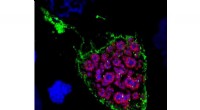
Researchers like Roger Tsien and others recognized the potential of aequorin as a tool to monitor calcium dynamics in living plant cells. They realized that by fusing the aequorin gene with plant proteins, they could essentially create biosensors that would light up in the presents of calcium, providing a visual representation of calcium signaling.
The Green Revolution:
The development of aequorin-based calcium biosensors revolutionized plant research. Scientist could study calcium signaling in real-time and at extremely high resolutions. These insights proved instrumental in understanding how plants regulate essential processes such a growth, development, responses to environmental cues, and even defense against pathogens.
Through advanced microscopy techniques, plant biologist were able to observe calcium signals travelling through plant tissues, coordinating intricate cellular processes. The ability to visualize and manipulate calcium signaling also paved the way for improving crop yields and creating more resilient plants through genetic engineering.
The story of how the humble glow-in-the-dark jellyfish became the catalyst for understanding calcium signaling in plants exemplifies the interdisciplinary nature of scientific discovery. It also underscores the fact that sometimes the most profound insights can come from the most unexpected sources.