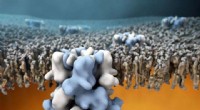
The enzyme in question, known as helicase, plays a central role in separating the double-stranded DNA into individual strands, a fundamental step in DNA replication and other genetic processes. Despite its importance, the precise molecular mechanisms of how helicase operates had remained elusive, prompting physicists to delve into the mysteries of this fascinating biological machinery.
Using advanced biophysical techniques, the team of physicists, led by Dr. Sarah Richardson at the University of Cambridge, UK, meticulously studied the interplay between helicase and DNA at the molecular level. By combining experimental observations with theoretical modeling, they were able to decipher the intricate dance of molecular interactions that facilitate DNA unwinding.
One of the key findings of their study revealed that helicase utilizes a "steric exclusion" mechanism to separate DNA strands. This process involves the helicase enzyme physically wedging itself between the base pairs of DNA, akin to a molecular crowbar gently prying apart the double-stranded structure.
Moreover, the researchers discovered that helicase does not work in isolation. Instead, it collaborates with other proteins known as single-stranded DNA-binding proteins (SSBs) to stabilize the unwound DNA strands, preventing them from reannealing and maintaining their accessibility for further processing.
The elucidation of these intricate mechanisms not only enhances our understanding of DNA unwinding but also paves the way for potential therapeutic applications. By manipulating the function of helicase or targeting its interactions with SSBs, scientists may be able to develop strategies to correct errors in DNA replication or modulate gene expression. This could open new avenues for treating genetic diseases, such as cancer, or developing diagnostics for hereditary disorders.
The discovery showcases the power of interdisciplinary research, where physicists bring their expertise in understanding the fundamental laws of nature to unravel the complexities of biological systems. By merging insights from physics and biology, scientists are gaining unprecedented access to the molecular mechanisms that govern life's processes, opening new frontiers for innovation and potential medical advancements.