According to the researchers from the John Innes Centre in Norwich, UK, the extra copy of a gene that is produced by duplication is not always a "selfish" element that survives by chance, as was previously thought. Instead, the researchers believe that such genes can play a crucial role in the evolution of new biological functions.
Lead researcher Dr. Richard Mott said, "The conventional view is that the function of duplicated genes diverges over time to allow both copies to survive. In other words, the copies take on different roles and become indispensable to the organism.
"We believe that this isn't the complete picture and that in many cases one of the copies can keep its original function, while the other is free to acquire completely new functions."
Gene duplication is a major mechanism for creating new genetic material and is thought to play an important role in the evolution of complex life. Genes are duplicated when chromosomes are replicated during cell division, and over time, the sequences of the two copies can diverge. This can lead to the development of new genes, which can have a variety of functions.
However, it has been a puzzle why so many duplicated genes remain in the genome when, in principle, natural selection should favour the deletion of the less useful copy.
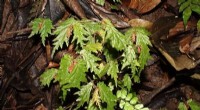
The researchers reached their conclusions after studying the genomes of a variety of plants, including Arabidopsis thaliana, a small flowering plant that is commonly used in genetic studies. They found that in many cases, duplicated genes are retained because they play a role in compensating for the effects of deleterious mutations in other genes.
The retention of duplicated genes thus allows organisms to maintain their fitness even in the face of environmental challenges.
Dr. Mott said, "Our findings could help us to understand the mechanisms that allow organisms to adapt to changing environments. They also suggest that the evolution of complex traits may be more intricate and subtle than we previously thought."
The study was published in the journal Nature Genetics.