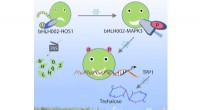
Reprogramming diseased cells, such as cancer cells or cells affected by genetic disorders, has the potential to reverse their abnormal behaviour and restore their normal function. Here are the general steps involved in resetting a diseased cell through reprogramming:
1. Identify the Diseased Cells: The first step is to identify and isolate the diseased cells that need to be reprogrammed. This can involve techniques such as cell sorting or tissue biopsy.
2. Reprogramming Factors: Determine the appropriate reprogramming factors or signalling molecules that can induce the desired change in cell identity. This may involve research and experimentation to find the optimal factors for the specific disease or cell type.
3. Delivery of Reprogramming Factors: The reprogramming factors can be introduced into the diseased cells through various methods, such as viral vectors, lipid nanoparticles, or direct protein delivery.
4. Culture and Monitoring: The reprogrammed cells are then cultured and monitored over time. During this period, their gene expression, cell surface markers, and other characteristics are assessed to confirm successful reprogramming.
5. Differentiation and Functional Validation: Once reprogramming is achieved, the cells may be further differentiated into the desired cell type or tissue. Functional studies are performed to assess the restored or improved functions of the reprogrammed cells.
6. Safety and Toxicity Evaluation: Thorough safety and toxicity assessments are crucial to ensure that the reprogramming process does not introduce any harmful effects or unintended changes to the cells.
7. Transplantation or Therapeutic Applications: For therapeutic purposes, the reprogrammed cells may be transplanted back into the patient or used in regenerative medicine approaches to repair damaged tissues or replace diseased cells.
It's important to note that cellular reprogramming is still a relatively new and evolving field, and there are challenges and limitations associated with it, such as the risk of abnormal cell growth or differentiation. Therefore, extensive research and rigorous safety testing are necessary before cellular reprogramming can be widely used in clinical settings.