The trachea are a network of tubes that carry oxygen throughout the body of a fruit fly. They are formed by a single layer of cells that are called tracheoblasts. These cells are able to climb over each other and fuse together to form the tubes of the trachea.
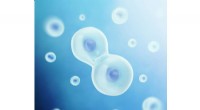
The process of tracheogenesis, or trachea formation, begins with the invagination of the ectoderm at specific locations along the body of the embryo. This invagination forms a pocket of cells that is called a tracheal placode. The cells in the tracheal placode then begin to divide and differentiate into tracheoblasts.
Tracheoblasts are characterized by their long, thin shape and their ability to secrete a sticky substance called glue. The glue helps the tracheoblasts to adhere to each other and to the surrounding tissue. As the tracheoblasts divide and secrete glue, they begin to climb over each other and fuse together to form the tubes of the trachea.
The process of tracheogenesis is a complex one that is essential for the development of the fruit fly. The trachea provide the oxygen that is necessary for the growth and development of the fly's tissues and organs. Without the trachea, the fly would not be able to survive.
Here is a more detailed look at the process of tracheogenesis:
1. Invagination of the ectoderm: The first step in tracheogenesis is the invagination of the ectoderm at specific locations along the body of the embryo. This invagination forms a pocket of cells that is called a tracheal placode.
2. Division and differentiation of tracheoblasts: The cells in the tracheal placode then begin to divide and differentiate into tracheoblasts. Tracheoblasts are characterized by their long, thin shape and their ability to secrete a sticky substance called glue.
3. Climbing and fusion of tracheoblasts: As the tracheoblasts divide and secrete glue, they begin to climb over each other and fuse together to form the tubes of the trachea. The glue helps the tracheoblasts to adhere to each other and to the surrounding tissue.
4. Formation of the tracheal system: The tubes of the trachea then connect to each other to form a network that extends throughout the body of the fly. This network of tubes provides the oxygen that is necessary for the growth and development of the fly's tissues and organs.
The process of tracheogenesis is a complex one that is essential for the development of the fruit fly. The trachea provide the oxygen that is necessary for the growth and development of the fly's tissues and organs. Without the trachea, the fly would not be able to survive.