Seabirds are attracted to plastic for a number of reasons. Some plastics are brightly colored and resemble food that seabirds normally eat, such as fish, squid, and krill. Others have a strong smell that attracts seabirds. Once they have eaten plastic, they are often unable to digest it. The plastic can accumulate in their stomachs, causing them to feel full and unable to eat more food. This can lead to starvation, even if the seabird is surrounded by plenty of real food.
Plastic can also cause internal injuries. When seabirds eat plastic, it can get caught in their throats, intestines, or stomachs, blocking the passage of food and causing severe pain and infection. In some cases, plastic can even puncture the seabird's internal organs.
In addition to the physical damage it causes, plastic can also absorb toxic chemicals. These chemicals can be passed up the food chain, eventually accumulating in the bodies of seabirds. Toxic chemicals can cause a number of health problems in seabirds, including reproductive problems, impaired immune systems, and cancer.
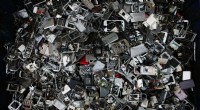
Plastic pollution is a serious threat to seabirds, and it is a problem that is only getting worse. As more and more plastic enters the ocean, seabirds are becoming increasingly likely to ingest it. If we want to save seabirds, we need to reduce the amount of plastic pollution in the ocean.