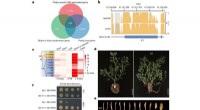
CRISPR/Cas 9 is a gene-editing tool that allows scientists to make precise changes to DNA. This has the potential to revolutionize medicine, by allowing us to treat diseases at the genetic level.
In this video, we'll explain how CRISPR/Cas 9 works and discuss some of the ethical implications of using this technology.
How does CRISPR/Cas 9 work?
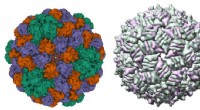
CRISPR/Cas 9 is a natural defence mechanism that bacteria use to protect themselves from viruses. When a virus infects a bacterium, the bacterium will use CRISPR/Cas 9 to cut up the virus's DNA. This prevents the virus from replicating and spreading.
Scientists have adapted CRISPR/Cas 9 so that it can be used to cut DNA at specific locations in the human genome. This allows them to make precise changes to DNA, such as correcting mutations that cause diseases.
What are the ethical implications of using CRISPR/Cas 9?
CRISPR/Cas 9 is a powerful technology with the potential to revolutionize medicine. However, there are also some ethical concerns that need to be considered before this technology can be widely used.
One concern is that CRISPR/Cas 9 could be used to create designer babies. This is the idea of using CRISPR/Cas 9 to select for certain traits, such as intelligence or athletic ability. This could lead to a society where the rich and powerful have access to the best genes, while the poor and disadvantaged are left behind.
Another concern is that CRISPR/Cas 9 could be used to create new diseases. For example, scientists could use CRISPR/Cas 9 to create a virus that is resistant to all known antibiotics. This could have devastating consequences for public health.
It is important to weigh the potential benefits of CRISPR/Cas 9 against the ethical concerns before this technology can be widely used.
Conclusion
CRISPR/Cas 9 is a powerful technology with the potential to revolutionize medicine. However, there are also some ethical concerns that need to be considered before this technology can be widely used. It is important to weigh the potential benefits of CRISPR/Cas 9 against the ethical concerns before this technology can be widely used.