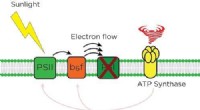
Photorespiration is a process that consumes oxygen and releases carbon dioxide. It occurs in the chloroplasts of plants and is a byproduct of photosynthesis. While photorespiration does not directly protect photosynthesis from oxygen, it does help to maintain a balance between the two processes.
Glycolate oxidase
Glycolate oxidase is an enzyme that is involved in photorespiration. It helps to convert glycolate, a product of photosynthesis, into glyoxylate. This reaction consumes oxygen and releases carbon dioxide.
Catalase
Catalase is an enzyme that is involved in the breakdown of hydrogen peroxide. Hydrogen peroxide is a harmful substance that can be produced during photosynthesis. Catalase helps to convert hydrogen peroxide into water and oxygen.
Superoxide dismutase
Superoxide dismutase is an enzyme that is involved in the breakdown of superoxide. Superoxide is a harmful substance that can be produced during photosynthesis. Superoxide dismutase helps to convert superoxide into hydrogen peroxide.
Ascorbate peroxidase
Ascorbate peroxidase is an enzyme that is involved in the breakdown of hydrogen peroxide. Ascorbate peroxidase helps to convert hydrogen peroxide into water and oxygen.
Glutathione reductase
Glutathione reductase is an enzyme that is involved in the breakdown of glutathione. Glutathione is a substance that helps to protect cells from damage. Glutathione reductase helps to convert glutathione into its reduced form, which is the active form.
These are just a few of the ways that plants protect photosynthesis from oxygen. By maintaining a balance between photosynthesis and photorespiration, and by removing harmful substances that can be produced during photosynthesis, plants are able to protect their photosynthetic machinery and continue to produce the food they need to survive.